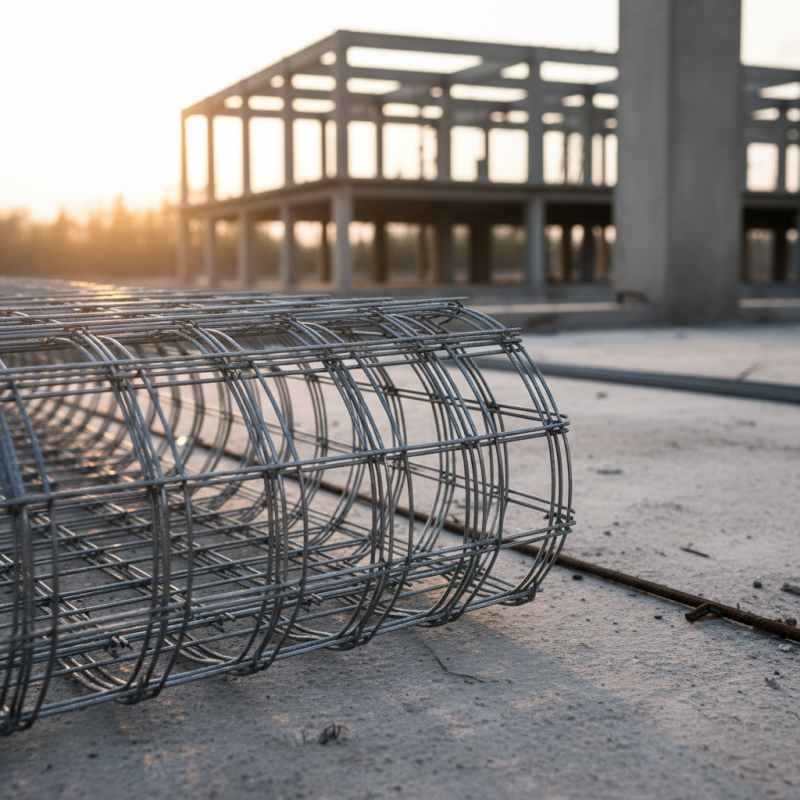
Why Choose Welded Wire Mesh for Your Next Project?
welded wire mesh has become a popular choice among builders and engineers for various projects. It offers durability and versatility. As industry expert John Smith says, "Welded wire mesh provides strength without compromising functionality." This material can be adapted to different needs, making it a go-to option.
When considering materials for your next project, welded wire mesh stands out. It excels in applications ranging from fencing to construction reinforcement. Its structure ensures stability in demanding environments. Yet, it’s essential to weigh these benefits against potential downsides. Overlooking the specific requirements of your project can lead to issues.
Using welded wire mesh can sometimes require more upfront thought. It’s not a one-size-fits-all solution. Assessing your specific needs is crucial. Mistakes happen if details are ignored. Balancing the pros and cons will lead to better project outcomes.
Advantages of Welded Wire Mesh Compared to Other Materials
Welded wire mesh offers a multitude of advantages in various applications, from construction to landscaping. This material is known for its strength and durability. According to a recent industry report, welded wire mesh can withstand significant stress. It can bear loads that exceed typical fencing materials by up to 40%. This makes it a preferred choice for reinforcing concrete and creating secure barriers.
In terms of cost-effectiveness, welded wire mesh stands out significantly. It is often less expensive than alternatives such as chain link fencing or timber. An industry analysis reveals that using welded wire mesh can reduce material costs by 30% compared to traditional fencing. Furthermore, its uniform grid pattern allows for easy installation. In contrast, other materials often require additional tools and labor, which can inflate the overall project cost.
In addition to its strength and cost efficiency, welded wire mesh is also versatile. It can be used in a range of applications, from agricultural fencing to architectural designs. Yet, it has its downsides; proper installation is crucial. Without it, even the strongest mesh can fail under pressure. Thus, while welded wire mesh presents many benefits, careful consideration and planning are essential to maximize its potential in any project.
Common Applications of Welded Wire Mesh in Construction and Industry
Welded wire mesh is versatile in construction and industry. It offers strength, durability, and flexibility. Common applications include fencing, flooring support, and concrete reinforcement. According to the Wire Reinforcement Institute, the use of welded wire mesh in concrete can enhance structural integrity by up to 30%. This statistic highlights its value in construction projects.
In industrial settings, welded wire mesh is key for safety and organization. It is commonly used for storage racks and safety barriers. These applications can prevent accidents and improve workflow. A study by the American Institute of Steel Construction noted that using welded wire mesh reduces the need for heavy, bulky support structures, optimizing space.
Tips: Ensure the right mesh size is chosen. Different projects require different specifications. Also, inspect the quality before purchase. Low-quality wire mesh may fail over time, leading to costly repairs. Investing in durable materials pays off in the long run. Remember, not every project requires the same solution, so analyze your specific needs carefully.
Understanding the Manufacturing Process of Welded Wire Mesh
Welded wire mesh is a popular choice for various projects. Understanding its manufacturing process is crucial. The process starts with selecting high-quality raw materials. Steel wire is the primary component. This wire is then cleaned. Any impurities are removed to ensure a strong bond.
Next, the wires are arranged in a grid pattern. They are spaced evenly apart. This arrangement enhances structural integrity. Electric welding is applied at the intersections. The heat created melts the wire, forming a solid joint. It’s a fascinating blend of science and craftsmanship. This stage requires precision to avoid misalignments.
After welding, the mesh is cut to size. The protective coating is also applied. This step helps prevent rusting. However, the process isn’t perfect. There can be inconsistencies in strength. Not all welded wire mesh meets the same durability standards. It’s essential to evaluate the final product carefully. Ultimately, making informed choices will lead to better project outcomes.
Key Performance Metrics and Standards for Welded Wire Mesh
Welded wire mesh is a versatile and durable option for various construction applications. Its performance metrics are crucial in choosing the right kind for a project. One key standard is the tensile strength, which is typically around 60,000 psi for many wire meshes. This strength ensures that the mesh can support significant loads without deforming. In practical applications, a mesh with a strength of 60,000 psi can withstand environmental stresses effectively.
Another important metric to consider is the corrosion resistance. Studies show that galvanized welded wire mesh can resist rust for decades. However, the level of zinc coating can vary greatly. Some manufacturers offer a thin layer that might not last under harsh conditions. A thick coating is always preferred for longevity and reliability.
Lastly, the wire diameter also plays a role in performance. Many meshes range from 14 to 10 gauge, impacting both strength and weight. Thicker wires provide greater strength but can be heavier and harder to handle. Thus, assessing your project’s specific needs is essential. Are you prioritizing strength, weight, or a balance of both? Each construction site presents unique challenges, and choosing the right performance metrics is crucial in ensuring success.
Cost-Effectiveness and Longevity of Welded Wire Mesh Solutions
Welded wire mesh is increasingly recognized for its cost-effectiveness and long-lasting nature. A study by the International Wire and Mesh Association noted that structures utilizing welded wire mesh can last up to 50 years with minimal maintenance. This longevity results in significant savings over time. Construction projects benefit from reduced replacement frequency and lower overall material costs.
Moreover, welded wire mesh offers enhanced durability. It withstands heavy loads and harsh environmental conditions. According to the American Concrete Institute, the use of welded wire mesh in concrete reduces cracking by up to 90%. This durability translates into fewer repairs and longer utility, appealing to budget-conscious project managers.
Yet, it is essential to consider some drawbacks as well. The rigidity of welded wire mesh may not suit flexible designs. Adjustments can be challenging once the mesh is installed. While its advantages are clear, weighing these factors is crucial. A thoughtful approach ensures that the decision aligns with project goals and sustainability.
Cost-Effectiveness and Longevity of Welded Wire Mesh Solutions