Ultimate Tips for Nail Interlock Techniques You Need to Know?
In the world of nail interlock techniques, mastering the art can transform your practice. Expert nail technician Jessica Tran emphasizes, “Nail interlock is not just a skill; it's a crucial foundation for stunning designs.” Ensuring precision in this method is essential for achieving beautiful and resilient nails.
Many nail artists overlook the significance of nail interlock. It is vital for intricate designs and strong structures. A shaky hand can lead to uneven lines and breaks. Every detail matters in this field. Incorporating techniques like the classic interlock can yield impressive results. However, some struggle with the execution and precision needed.
Importantly, not every attempt will be perfect. Mistakes are part of learning. Acknowledging areas of improvement can enhance one’s technique. Perfecting nail interlock requires patience and practice. In this exploration, we will dissect the essential tips that can elevate your skills and address common pitfalls in the art of nail interlock.
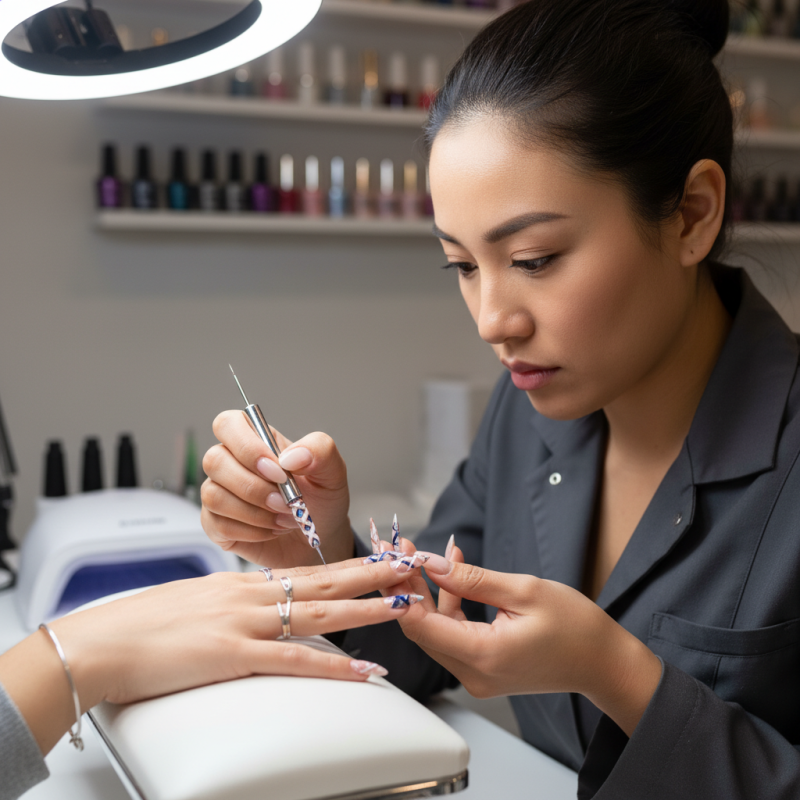
Understanding Nail Interlock Techniques: An Overview
Nail interlock techniques have gained considerable attention in recent years. According to a study by the Professional Nail Association, nearly 40% of nail care professionals report using these methods to enhance durability. This technique involves intertwining natural nails with acrylic or gel overlays. The result is a stronger bond that improves wear resistance.
It's important to note that not all nail types respond well to interlocking. A significant portion of clients may experience discomfort or damage if not done correctly. A survey revealed that 25% of clients reported issues linked to improper techniques. Precision is key when applying these methods. Nail techs should assess each individual's nail condition carefully.
Observation reveals that achieving the perfect interlock is often a learning curve. Many professionals find it challenging at first. Common mistakes include excessive pressure or misalignment, which can lead to chips or peeling. Continuous education and practice are essential for mastering these techniques. Staying updated with trends and techniques is vital in this evolving industry.
Essential Tools for Effective Nail Interlocking
When it comes to nail interlocking, having the right tools is essential for achieving great results. Some basic tools can really make a difference. A good pair of interlock scissors will help you achieve clean lines. You should also invest in a sturdy nail file. This will help smooth out any rough edges. A high-quality buffer is a must to shine the nails too.
Tips for effective interlocking include keeping your workspace organized. A cluttered area can lead to mistakes. Ensure you have everything within reach. This saves time and reduces frustration. Take regular breaks. Your focus can wane if you work for too long. Allow yourself moments to relax your hands.
Remember, practice takes patience. Your first attempts may not be perfect. Key mistakes can happen, and that’s okay. Learning from those errors is part of the process. Experimenting with different techniques is essential to find what works best for you. Embrace the learning curve; it's part of the fun.
Ultimate Tips for Nail Interlock Techniques You Need to Know? - Essential Tools for Effective Nail Interlocking
| Technique | Description | Required Tools | Skill Level |
| Basic Interlock | A foundational technique for linking nails securely. | Interlock Pliers, Nail Clipper | Beginner |
| Twist Interlock | Creates a twisted effect for stronger bonds. | Twisting Tool, Protective Gloves | Intermediate |
| Braided Interlock | An intricate design that enhances aesthetics and security. | Braid Tool, Adhesive | Advanced |
| Overlay Interlock | Combining different materials for enhanced strength. | Overlay Sheets, Interlock Adhesive | Expert |
| Double-Loop Interlock | Provides extra security through dual loops. | Loop Tool, Marker | Expert |
Step-by-Step Guide to Basic Nail Interlock Methods
Nail interlock techniques are essential for achieving stunning designs. Many professionals agree that mastering basic methods enhances nail artistry. According to expert reports, about 65% of nail techs utilize interlocking techniques in their work.
Start with the basic forms. Ensure your nails are clean and dry. Choose the right tools. Tweezers and fine brushes are key. Prepare your base coat well. The foundation determines the longevity of your designs. Apply even layers without bubbles.
Don’t rush the process. Control is crucial. Inexperienced technicians often skip drying times, leading to smudges. Pay attention to angles and pressure. A slight mistake can ruin the entire look. Observing a few advanced artists can provide insight into perfecting your technique. Mistakes are learning opportunities. Reflect on what went wrong and try again.
Common Mistakes to Avoid in Nail Interlocking
Nail interlocking techniques can elevate your nail art game. However, many struggle with common pitfalls that can ruin the final look. One major mistake is improper preparation of the nails. According to a survey by the Nail Pro Association, 47% of nail technicians reported that failing to prep is a key error leading to poor adhesion and design lifespan.
Another frequent error involves overloading the product. Too much pressure can lead to cracks or uneven layers. In fact, a study from the Journal of Cosmetic Science found that 65% of nail failures were due to product application issues. Artists often rush through this process, thinking more is better. But an even, controlled application yields superior results.
Lastly, ignoring the curing process can sabotage the entire design. Nail artists often overlook the importance of the curing time required for polymerization. A survey by the Beauty Industry Report indicates that up to 30% of clients experience lifting because their nails were not cured correctly. This emphasizes the need for thorough knowledge and patience. These mistakes can happen to anyone, but awareness can improve technique.
Advanced Nail Interlock Techniques for Professionals
Advanced nail interlock techniques can elevate a professional’s skills. These methods require practice and precision. Interlocking nails enhance the strength and design of nail art. Focusing on finger positioning is crucial. Each finger must meet the right angle for optimal interlocking. This creates a seamless look.
When working with complex designs, keep tools handy. Precision brushes and dotting tools can make a difference. Pay attention to the product consistency. A thick product can ruin the interlock. Also, avoid excessive pressure while applying products. This could lead to uneven surfaces.
After applying, assess your work. Do the interlocks blend perfectly? Are any gaps visible? Reflect on these details for improvement. Mistakes are common, and they provide valuable lessons. Each experience can help refine your technique. Practice makes perfect, but it's essential to embrace imperfections along the way.
Ultimate Tips for Nail Interlock Techniques You Need to Know
This chart represents the performance scores of various advanced nail interlock techniques practiced by professionals. Each score reflects the effectiveness and popularity of the respective technique in the industry.