How to Choose the Best Handkerchief Making Machine?
When choosing the best Handkerchief Making Machine, insights from industry experts can be invaluable. James Carter, a leading authority in textile machinery, states, "The right machine can elevate your production quality and efficiency." This highlights the importance of selecting a machine that aligns with your specific needs.
Handkerchief Making Machines come with various features and capabilities. Understanding these can significantly influence your business both in quality and output. You must consider the machine's durability, ease of operation, and maintenance requirements. Each feature can determine how well your production runs.
Many entrepreneurs overlook these factors, which can lead to unforeseen challenges. A poorly chosen machine might hinder productivity or increase costs. Evaluate your options carefully, and seek the advice of professionals. This ensures that you invest wisely in a Handkerchief Making Machine that truly meets your operational goals.
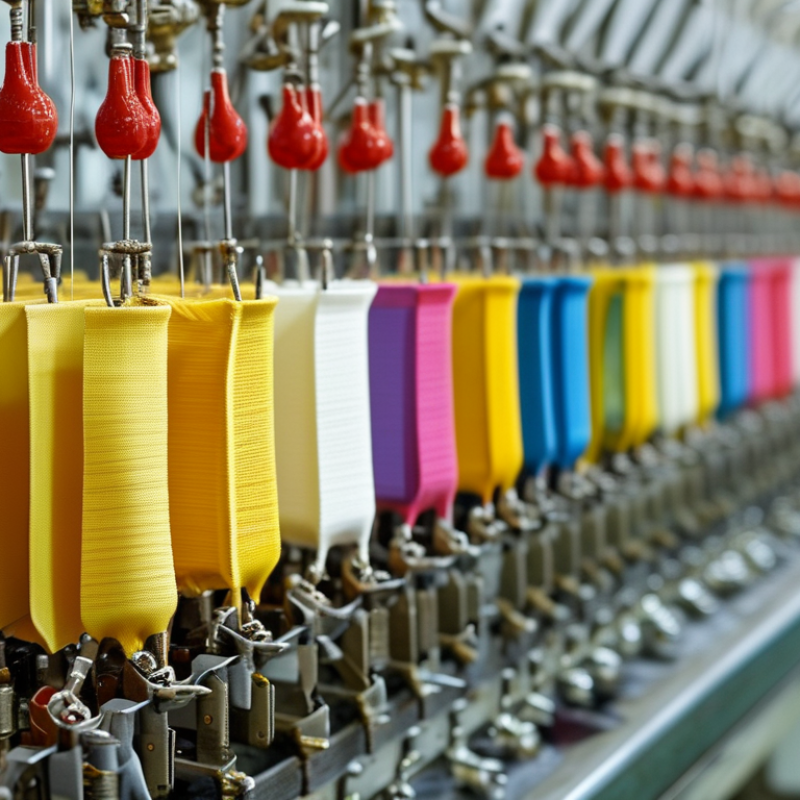
Understanding Handkerchief Making Machines: A Comprehensive Overview
When exploring the world of handkerchief making machines, understanding their functions and features is essential. These machines vary in speed, capacity, and technology. Ideally, they should accommodate different fabric types and sizes. Some models may excel in producing intricate designs, while others prioritize simplicity and efficiency. Evaluating your production needs will guide your choice.
Tips: Consider how often you plan to use the machine. If only occasionally, a simpler model may suffice. For high-volume production, look for machines that promise durability and speed.
Maintenance is crucial for longevity. Regular cleaning and proper lubrication will prevent common malfunctions. However, many users overlook the importance of routine checks. This can lead to unexpected downtime and frustration.
Tips: Keep a maintenance log. It can help track performance and identify issues early. Additionally, invest time in understanding the machine’s manual. Knowledge of its functionalities can enhance the overall user experience.
Handkerchief Making Machine Performance Comparison
This bar chart illustrates key performance metrics for handkerchief making machines, including production speed, power consumption, maintenance frequency, and price. These factors are crucial for evaluating and selecting the best machine for your needs.
Key Features to Consider When Selecting a Handkerchief Making Machine
When selecting a handkerchief making machine, several key features are essential. Start with the machine's production capacity. A model that can produce a high volume will improve efficiency and meet demand. Consider the size of the machine too. It should fit within your workspace without compromising accessibility.
Another critical aspect is the ease of operation. A user-friendly interface can significantly reduce training time for new employees. Think about maintenance requirements as well. Machines that are complicated to maintain can lead to downtime and increased costs. Pay attention to the warranty as well. A robust warranty indicates a manufacturer’s confidence in their product.
Lastly, assess the flexibility of the machine. Can it handle different fabric types? This is vital if you plan to diversify your product range. Reflect on these elements carefully. An ideal machine should balance performance, usability, and adaptability. Ultimately, investing time in this choice will lead to long-term benefits.
Evaluating Production Capacity: Matching Machines to Your Business Needs
When choosing a handkerchief making machine, evaluating production capacity is vital. Aligning the machine's output with business needs can maximize efficiency. According to recent industry reports, handkerchief production can vary significantly, with machines capable of outputting from 300 to 1,200 pieces per hour. This wide range means businesses must assess their production goals accurately.
Opt for a machine that can comfortably meet your target output. For instance, if you plan to produce 10,000 handkerchiefs weekly, a machine outputting around 600 pieces per hour would suffice. However, overestimating needs could lead to excessive upfront costs. A careful analysis of market demand and production capability can reveal gaps in efficiency.
Tips: Always consider potential demand fluctuations. Investing in a machine with adjustable settings can offer versatility. Also, do not overlook maintenance costs, as a more affordable machine might incur higher long-term expenses due to wear and tear. Reflect on these factors to avoid pitfalls in your decision-making process. Understanding the intricacies of your production needs can lead to smarter, more profitable choices.
How to Choose the Best Handkerchief Making Machine?
| Machine Model | Production Capacity (pieces/hour) | Power Consumption (kW) | Cost (USD) | Suitable for Business Size |
| Model A | 300 | 5 | 15000 | Small to Medium |
| Model B | 500 | 7 | 25000 | Medium |
| Model C | 800 | 10 | 35000 | Large |
| Model D | 1000 | 15 | 50000 | Very Large |
Assessing Cost vs. Quality: Finding the Right Balance in Machinery
When selecting a handkerchief making machine, understanding the balance between cost and quality is crucial. A report by TechNavio reveals that the textile machinery market is projected to grow at a CAGR of 5.8% from 2021 to 2025. This growth highlights the importance of investing in efficient machinery to remain competitive.
While lower-cost machines may seem appealing, they often compromise on durability and efficiency. For instance, machines lacking advanced automation features can lead to higher labor costs and wasted materials. A study by Mordor Intelligence indicates that 20% of production costs can stem from inefficient machinery. Therefore, it is vital to assess the long-term implications of your choice.
Finding the right balance between cost and quality requires careful evaluation. Seek machines with robust after-sales support, as maintenance is critical. Machines with higher upfront costs may provide better ROI through increased productivity and reduced downtime. A cautious approach is better than an impulsive one when selecting machinery to avoid regrets later. Conduct thorough research and consult industry experts to ensure you make an informed decision.
Maintenance and Support: Ensuring Longevity for Your Handkerchief Machine
When investing in a handkerchief making machine, maintenance and support are critical to longevity. Regular upkeep can increase the lifespan of your machine significantly. According to industry reports, machines that receive routine maintenance can last up to 25% longer than those that do not. This means fewer unexpected repairs and production delays.
Operators must know how to perform basic maintenance. This includes cleaning, lubricating parts, and replacing worn components. Failure to do so could lead to mechanical failures, impacting production rates. A study found that nearly 30% of downtime in textile manufacturing is linked to poor maintenance practices. Regular training for staff in maintenance can reduce this risk and ensure smoother operations.
Support from the manufacturer also plays a vital role. Access to professional technicians can help troubleshoot issues quickly. Research indicates that timely support reduces potential downtime by up to 40%. Choosing a machine with a good support network is essential. Ultimately, investing in maintenance and support allows for a more reliable production process and builds confidence in your operations.