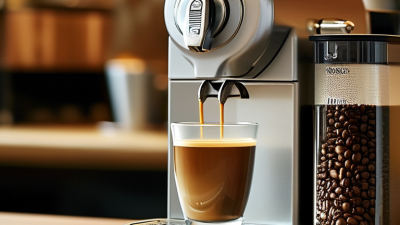
Choosing a Hot Drinks Vending Machine is not just a matter of comparing prices or counting drink buttons. The right machine should fit the rhythm of your workplace, customer traffic, and available maintenance support. A model that performs well in a quiet office may struggle beside a busy reception desk. Small details matter: cup capacity, refill access, brewing speed, and how easily staff can wipe the drip tray.
A reliable expert quotation cannot be verified from the material provided, so I won’t attach invented words to a named specialist. A useful buying principle is simple: “Choose for the service conditions, not the showroom features.” Treat that as guidance for this article, not a quotation from a real expert. Check the machine’s daily capacity against your busiest periods, and ask suppliers how quickly common parts can be serviced. Listen to the unit running, too. A loud grinder can feel disruptive in a small break room.
This guide will help you compare drink selection, payment options, cleaning needs, energy use, and ongoing costs. It will also consider who will refill the machine and whether the site has dependable power and water access. A polished specification sheet cannot answer every practical question. Some assumptions will need testing. Keep that in mind when choosing a Hot Drinks Vending Machine for your business.
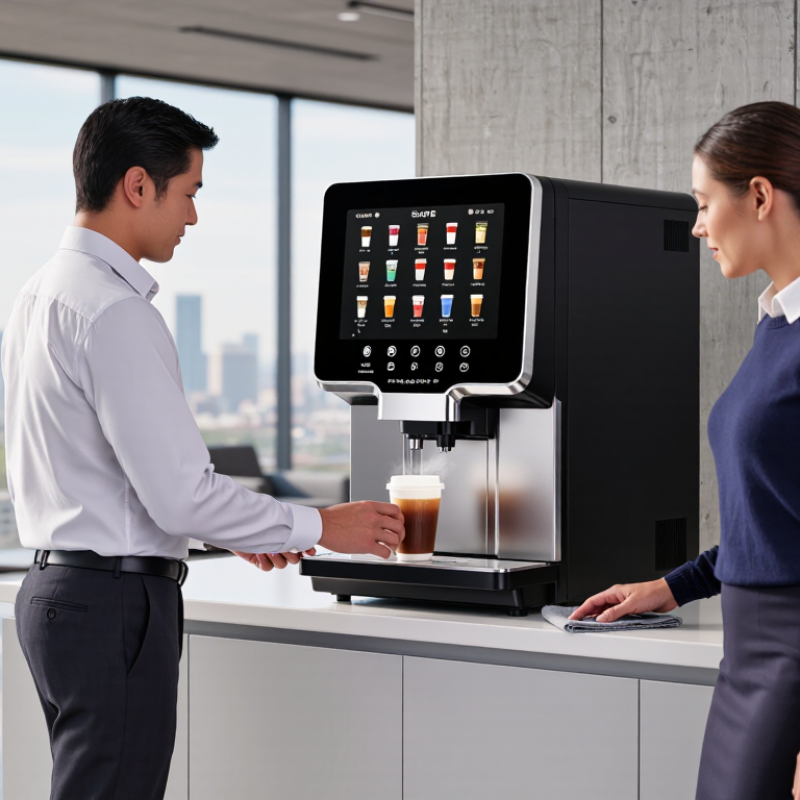
Daily servings show how much stock a hot drinks vending machine may use, but they do not reveal when demand arrives. Count actual cups. Review several weeks of sales or, for a new site, estimate from staff numbers, opening hours, and break schedules. Separate coffee, tea, and other drinks if preparation times differ.
Then identify the busiest interval, not just the busiest day. For example, 120 cups across a workday may sound manageable, yet 35 orders in a 90-minute morning rush equal about 23 cups per hour. Compare that figure with the machine’s rated cups-per-hour output, and check how the rating was measured. Complex drinks, larger cups, or frequent refilling can reduce real-world throughput. Keep a buffer.
A practical target might allow 20 to 30 percent capacity above the observed peak, especially where queues are costly. Treat that as a planning margin, not a guarantee. Also check whether staff can refill ingredients and empty waste during busy periods. A spreadsheet can make demand look precise; it rarely captures a rainy Monday or a delayed meeting. Track usage after installation and adjust the estimate before choosing a larger or smaller capacity.
Choose a hot drinks vending machine by matching its brewing method to your customers and daily routine. Bean-to-cup systems grind whole beans for each drink, giving coffee a fresher aroma and allowing a more café-like experience. They need regular attention: grounds must be emptied, brew groups cleaned, and milk lines rinsed if fresh milk is used. That upkeep can be easy to underestimate.
Instant systems mix soluble coffee or chocolate with hot water. They usually prepare drinks quickly and have fewer brewing parts to maintain, which can suit busy corridors or smaller teams. The trade-off is taste and texture; powdered ingredients may not satisfy customers seeking freshly brewed coffee. Fresh-brew systems, by contrast, brew ground coffee rather than dissolving it. Some make individual cups, while others hold a batch, so check how long coffee stays acceptable before it is discarded. Stale coffee in a warm jug is a real concern.
Think about the queue at 10 a.m., not just the machine’s advertised capacity. Ask suppliers to demonstrate drink speed, refill steps, cleaning access, and performance during repeated use. Check available water connections, cup sizes, ingredient storage, and service arrangements. A machine that fits neatly on paper may still be awkward beside a narrow counter. If possible, test the drinks with the people who will use it; preferences can surprise you.
| Decision Factor | Bean-to-Cup | Instant | Fresh-Brew |
|---|---|---|---|
| How it works | Grinds coffee beans and prepares drinks individually, usually using freshly ground coffee. | Mixes hot water with soluble coffee, tea, chocolate, or other powdered ingredients. | Brews ground coffee with hot water, often in batches held in a thermal server or urn. |
| Drink character | Typically offers a fresh-ground aroma and a more coffee-shop-style experience. | Consistent and convenient; flavor depends on the soluble ingredients used. | Provides brewed-coffee character; freshness can decline if coffee is held too long after brewing. |
| Serving speed | Individual grinding and brewing take time; speed varies by recipe and machine. | Often the quickest option because drinks are mixed from pre-prepared soluble ingredients. | Can serve quickly from a prepared batch, but brewing a new batch takes additional time. |
| Menu flexibility | Can offer espresso-style drinks and other recipes when supported by the machine and ingredients. | Can support a broad selection of powdered drinks, depending on the number of ingredient hoppers. | Well suited to brewed coffee; additional drink choices depend on the machine’s dispensing setup. |
| Routine care | Requires regular cleaning of the brewing unit, grinder, milk system if fitted, and waste container. | Usually has fewer coffee-brewing components to clean; ingredient hoppers and dispensing paths still need attention. | Requires cleaning of the brew basket, coffee-contact parts, and serving vessel; batch equipment needs regular care. |
| Consumables and storage | Uses whole beans; milk-based recipes may also require fresh or shelf-stable milk, depending on the setup. | Uses soluble ingredients that need dry, sealed storage and replenishment. | Uses ground coffee and filters where required; prepared coffee should be managed to limit holding time and waste. |
| Best suited to | Sites that value freshly ground coffee and can support the required cleaning and servicing routine. | Busy locations prioritizing straightforward operation, quick service, and a varied powdered-drink menu. | Locations with steady coffee demand, especially where batch serving is practical. |
| Questions to ask before buying | What are the expected drinks per day, cleaning tasks, bean capacity, and service requirements? | Which drinks and ingredient types are needed, and how often must hoppers be refilled? | How much coffee is served at peak times, what batch size is appropriate, and how will freshness be managed? |
Note: Serving speed, capacity, cleaning workload, and drink options vary by machine model, recipe, and site conditions. Confirm the manufacturer’s specifications and assess expected demand before choosing a system.
When comparing hot drinks vending machines, ask for documentation showing conformity with NSF/ANSI 25, a sanitation standard for vending machine design and construction. Check surfaces that touch ingredients, not just the exterior. Are they smooth, accessible, and easy to clean? Look closely at syrup lines, mixing nozzles, and drip trays. Small corners can collect residue.
Ask how the machine handles ingredients that need temperature control. Under the FDA Food Code, TCS foods held hot generally must remain at 135°F or above. This matters when a machine stores or hot-holds items such as milk-based mixtures; it does not mean every hot beverage must meet that temperature. Measure at the food, not only at the heater display. A short temperature log during busy service can reveal dips that a quick demonstration misses.
Verify the cleaning schedule, the tools required, and how staff can reach internal parts without awkward disassembly. Request service and sanitation records, then confirm local requirements with your health department, since the FDA Food Code is a model adopted by jurisdictions. Paperwork helps. It is not proof that daily cleaning happens. Watch an actual cleaning cycle before choosing, if possible. I would also leave time for staff training; that step is easy to underestimate.
When choosing a hot drinks vending machine, check whether customers can reach every control comfortably. The 2010 ADA Standards for Accessible Design specify a 15–48-inch reach range for unobstructed forward and side approaches to operable parts. The machine also needs clear floor space for a wheelchair approach. For a hot-drink unit, that means checking the payment terminal, drink selections, and any cup or sugar controls—not just the main keypad. Small details matter.
The CDC’s 2024 report, Disability Impacts All of Us, estimates that 28.7% of U.S. adults reported a disability in 2022. That figure is not a count of vending-machine users, but it shows why accessible operation matters in everyday settings. During a site review, measure controls from the finished floor and check that a person can approach without reaching around a counter or display. Try the controls from a seated position, too; a measurement alone may miss awkward angles or hard-to-press buttons. Also verify that the cup outlet is easy to reach without touching hot surfaces. The ADA reach range is a useful starting point, not a substitute for checking the actual machine and its placement.
Choosing a hot drinks vending machine starts with more than its purchase price. Estimate daily cups, peak-hour demand, and the cost of keeping water hot overnight. A machine drawing power continuously can make quiet hours surprisingly expensive. Ask for its standby and operating energy figures, then compare them against your site’s electricity rate. Measure cup volume too; a small mismatch can waste milk powder, coffee, or cups each day. Not glamorous, but it adds up.
Calculate ingredient cost per serving using actual recipes, not brochure estimates. Include cleaning supplies, filters, water treatment, and routine technician visits. Ask how often parts need replacement and whether staff can clear a blocked outlet safely. A neat spreadsheet can miss service delays in a busy lobby; the queue cannot. Payback should use realistic sales, seasonal dips, downtime, and all recurring costs. Treat projected sales as a range, not a promise.
Tips: Track drink sales and energy use for several weeks before choosing. Get written maintenance terms and check what is excluded. Compare monthly net savings with the full installed cost, then test a slower-sales scenario. Some estimates will still be imperfect. That is useful to admit.
Estimated three-year cost of ownership for machines serving the same daily drink volume.
Estimated payback: Compact: 6 months · Standard: 11 months · High-capacity: 23 months.
Planning assumptions: 20 drinks per operating day, 250 days per year, ingredients at $0.30 per drink, and an average selling price of $1.50. Payback is estimated from the machine purchase price and operating contribution after ingredient, energy, and maintenance costs. Actual costs vary with local energy rates, usage, drink recipes, and service needs; financing, taxes, and downtime are excluded.