What Are the Best Airport Fence Options for Security in 2026?
In 2026, the aviation industry faces new challenges in airport security. Effective measures must be considered to enhance safety. According to Tom Richards, a leading expert in airport security, “The choice of an airport fence is critical to protecting assets and ensuring safety.” His insights underline the importance of evaluating different options.
An airport fence is not just a barrier; it is a first line of defense. Various materials and designs offer unique benefits. For instance, chain-link fences are widely used for their cost-effectiveness. However, they may not always provide sufficient deterrents against determined intruders. Meanwhile, high-tech fences integrate sensors and cameras, creating a more robust security network.
Yet, choosing an airport fence is not purely about effectiveness. Cost, maintenance, and local regulations play significant roles. Many airports struggle with budget constraints. They often settle for mediocre solutions due to financial limitations. Evaluating every option is essential. Balancing security needs with practicality can be challenging. It's clear the industry must rethink its approach to ensure comprehensive safety through effective fencing solutions.
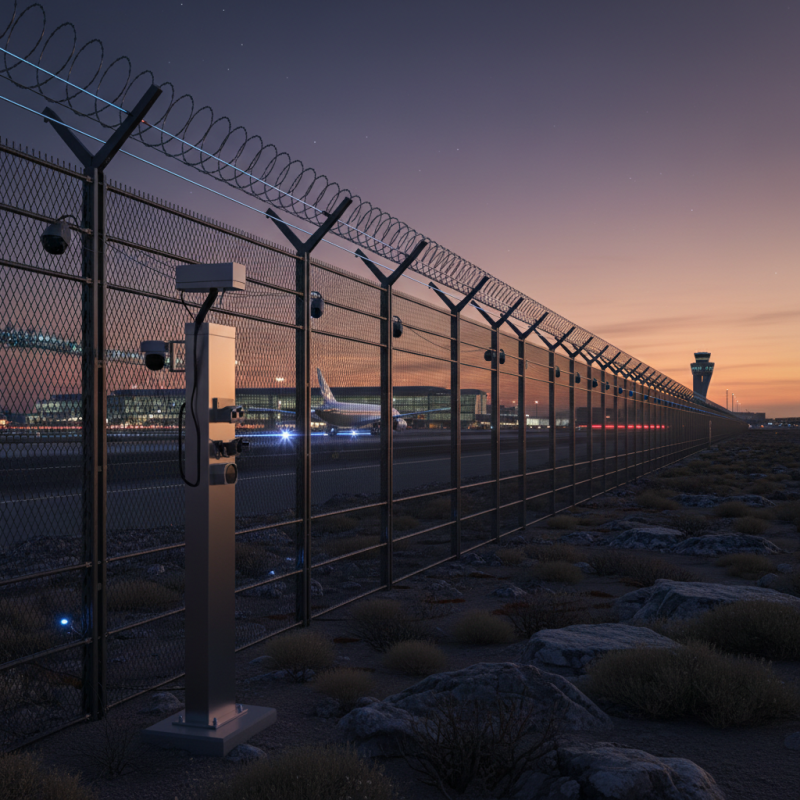
Best Airport Fence Materials for Enhanced Security in 2026
When considering airport security in 2026, selecting the right fence material is crucial. Various materials offer unique benefits and drawbacks. Chain-link fencing, for example, is a common choice due to its visibility and affordability. However, it may not deter determined intruders effectively. Adding barbed wire or privacy slats can enhance its security level, but it may compromise the aesthetic appeal.
Another option is welded mesh fencing. This type provides a robust physical barrier that is difficult to cut through. It can come with advanced features like electrification. Still, maintenance can be a concern over time. A less common alternative is decorative metal fencing, which balances security with aesthetics. Yet, its cost may not justify the added benefits for all airports.
Considerations must extend beyond appearance. The environment plays a role as well. For instance, coastal areas might require corrosion-resistant materials. Sustainable options, such as recycled components, are also gaining popularity, yet their effectiveness is still under evaluation. Each material presents an opportunity to rethink priorities and assess trade-offs. Airport authorities must weigh their specific needs against available choices carefully.
Best Airport Fence Materials for Enhanced Security in 2026
Analyzing Perimeter Security Solutions: Current Trends and Innovations
In 2026, airport perimeter security is increasingly reliant on advanced technologies. Various options are emerging that blend innovation with practicality. One trend is the use of smart fencing systems that incorporate sensors. These systems can detect breaches in real-time, providing immediate alerts to security personnel. However, the integration process can be complex and costly, raising questions about efficiency and budget allocation.
Another notable innovation is the adoption of drone surveillance. Drones offer flexibility and can cover vast areas quickly. While this technology enhances monitoring, it raises privacy concerns among the public. Additionally, the effectiveness of drone deployment can be hindered by weather conditions or technical malfunctions. Relying solely on drones may lead to gaps in security that need addressing.
Biometric access controls are also gaining momentum. These systems utilize facial recognition and fingerprint scanning to enhance security measures. Nevertheless, they depend on a reliable power supply and can be vulnerable to hacking. Striking a balance between cutting-edge innovations and practical applications is essential. Airport authorities must evaluate these emerging trends carefully, considering their real-world implications and potential drawbacks.
Cost-Effectiveness of Various Airport Fence Options in 2026
In 2026, airport security is a top priority. Choosing the right fence is essential. Various materials can offer different levels of protection and cost benefits. Some fences are tall and robust, while others are lightweight yet effective. Analyzing their long-term cost-effectiveness is crucial.
A chain-link fence may appear affordable. However, it requires constant maintenance. On the other hand, electric fencing could deter threats effectively. Initial costs may be high, but savings on maintenance can be significant. Choosing the right balance between durability and cost should be a priority.
Remember that some options may not suit every airport layout. Unique security features are important. A solid fence may prevent unauthorized access, but it could also limit visibility. Striking a balance is essential. Investing in technology, such as surveillance cameras, alongside fencing might yield better security outcomes. It's a puzzle that requires thoughtful consideration.
What Are the Best Airport Fence Options for Security in 2026?
| Fence Type | Height (ft) | Cost per Linear Foot ($) | Durability (Years) | Maintenance Level | Security Rating (1-10) |
| Chain Link Fence | 8 | 15 | 10 | Low | 6 |
| Electric Security Fence | 6 | 30 | 15 | Medium | 9 |
| Vertical Rod Fence | 10 | 25 | 20 | Medium | 8 |
| Perimeter Wall | 12 | 50 | 30 | High | 10 |
| Woven Wire Fence | 8 | 20 | 12 | Low | 7 |
Integration of Technology in Airport Security Fencing Systems
As airports evolve, the role of technology in security fencing systems is becoming crucial. High-tech materials now enhance traditional fencing solutions. For instance, sensors embedded in fences can detect intrusions effectively. These systems provide real-time alerts, allowing for swift responses.
Integration of video surveillance with fencing adds another layer of security. Smart cameras can monitor perimeters continuously. However, the challenge lies in addressing privacy concerns. People may question how much surveillance is too much. Balancing security and privacy needs careful consideration.
Physical barriers must also evolve. Fences that can withstand extreme weather conditions are essential. Yet, durability does not guarantee protection against sophisticated threats. Security measures must remain adaptable. Continuous improvement is key to staying ahead. The quest for the perfect solution goes on.
Regulatory Standards and Compliance for Airport Fencing in 2026
As airport security evolves, regulatory standards for fencing become increasingly strict. Compliance with these standards is vital for ensuring safety. In 2026, several key regulations are likely to shape airport fencing decisions.
Fencing materials must meet specific durability requirements. Chain-link fences with added barbed wire provide decent deterrence, but they may not suffice. Airports might consider materials like welded wire panels. These can enhance visibility and strength. Additionally, electrified fencing could comply with emerging standards. However, it raises concerns about safety and liability.
Incorporating technology into fencing can address compliance challenges. Motion sensors and surveillance cameras need integration into the system. These enhancements may deter intruders while ensuring adherence to regulations. However, relying solely on technology poses risks too. Potential failures in systems can lead to breaches. Balancing traditional fencing with modern tech is crucial as airports adapt to new regulations.