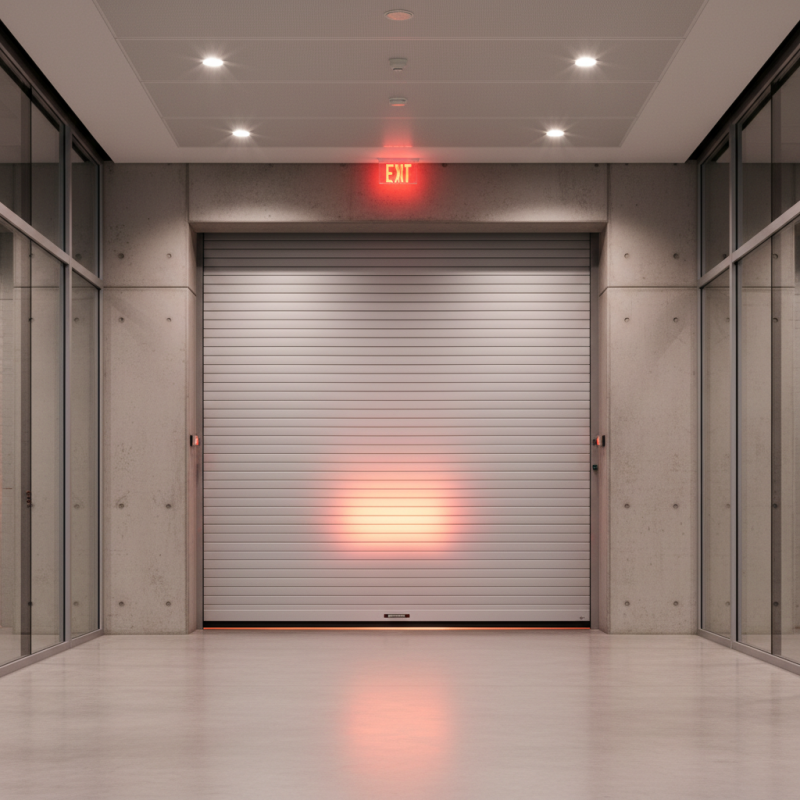
2026 Top Roll Down Fire Doors What You Need to Know?
In safety and building design, Roll Down Fire Doors play a crucial role. These doors are designed to protect properties from devastating fires. Understanding their specifications and features is essential for any building owner or manager.
Roll Down Fire Doors offer convenience and security. They deploy automatically during emergencies. However, not all doors are created equal. The choice of materials and ratings can vary significantly. This makes the selection process critical.
Investing in Roll Down Fire Doors requires careful consideration. Proper installation and maintenance are vital for their effectiveness. Additionally, regular inspections reveal potential issues. Ignoring these could lead to serious consequences during a fire. Make informed decisions to ensure safety and compliance.
2026 Roll Down Fire Doors: Essential Features and Compliance Standards
Roll down fire doors are crucial for safety in commercial buildings. Understanding their essential features is vital. These doors must meet strict codes. They protect against fire spread and smoke infiltration. Cables and sensors play key roles in their operation. Regular maintenance is needed for reliability.
Compliance standards are complex. They vary from one region to another. Proper installation is critical for effectiveness. Many overlook this detail. The doors must also pass rigorous testing standards. Failure to comply can lead to serious risks. It’s vital to stay informed about local regulations.
Some facilities may still lack adequate fire door systems. This is concerning in high-risk areas. Leaders should prioritize safety over cost. Investing in quality systems can save lives. Regular audits and checks can ensure compliance. It’s a shared responsibility, but often neglected. Validating the effectiveness of these systems is essential. Fire doors must perform when it counts the most.
Understanding Fire Ratings and Performance Levels for Roll Down Doors
When considering roll down fire doors, understanding fire ratings is essential. Fire doors are classified based on how long they can withstand flames and heat. Ratings usually range from 20 minutes to 3 hours. A higher rating indicates more fire-resistant materials. These doors are crucial in limiting fire spread and protecting valuable assets.
The performance of roll down doors varies significantly. Some doors function well in ideal conditions. However, in real-life scenarios, they must contend with dirt and wear. Maintenance is key. Regular inspections are necessary to ensure functionality. Ignoring this aspect can lead to failures when they are most needed. The installation process must adhere to local fire safety codes. An improperly installed door won’t perform as intended during an emergency.
The materials used also influence the door's effectiveness. Steel is common, but there are options in other materials too. Each material has different advantages and drawbacks. For instance, aluminum is lighter but may not offer the same level of protection. Ultimately, the choice depends on the specific needs of the building and environment. Thoughtful consideration is needed when choosing the right door for fire safety.
2026 Top Roll Down Fire Doors: What You Need to Know?
| Fire Door Type | Fire Rating (Hours) | Material | Performance Level | Standard Compliance |
| Roll Down Steel Door | 3 | Steel | High | UL 263 |
| Aluminum Fire Door | 1.5 | Aluminum | Medium | NFPA 80 |
| Roll Down Fire Shutter | 4 | Steel | High | ASTM E119 |
| Wire Glass Fire Door | 2 | Glass/Steel | Medium | UL 10C |
| Polycarbonate Roll Down Door | 1 | Polycarbonate | Low | NFPA 101 |
Material Choices: Selecting the Right Steel or Aluminum for Durability
When choosing between steel and aluminum for roll down fire doors, durability is key. Steel offers strength and resistance to impact, making it suitable for high-traffic areas. Its robust nature can withstand harsh elements and is less prone to distortion. However, steel can rust if not properly coated, which is a significant concern for some environments.
Aluminum is lightweight and does not corrode, making it a popular choice for many installations. Its flexibility allows for various designs and finishes. However, some might find aluminum less effective in high-security scenarios where stronger materials are required. The decision between the two materials should consider location and purpose.
Remember that while durability is essential, cost and maintenance are also crucial. Each option has its pros and cons. Conduct thorough research and weigh all aspects carefully. Consider your environment, usage frequency, and potential risks. Seek expert advice when needed. Finding the right balance can lead to a more effective solution.
Installation Best Practices: Ensuring Safety and Functionality
When installing roll down fire doors, safety and functionality are crucial. Proper installation can greatly affect the door's performance during a fire. The alignment of tracks and proper distance from the wall should be prioritized. If not aligned correctly, the door may jam or fail to close.
One common mistake is overlooking the weight of the door. Ensure that your installation supports the door's weight. Use sturdy materials to build the frame. Ignoring structural support can lead to malfunctions in emergencies. It’s critical to check that all components withstand intended use.
Here are some tips for a successful installation: always measure twice before cutting. Keep the installation area clear of debris. Test the door several times after installation. This ensures it operates smoothly. Remember, a well-installed fire door can save lives. Don’t forget to conduct regular maintenance checks. A little diligence can prevent big problems later on.
2026 Top Roll Down Fire Doors Installation Best Practices
Market Trends: Innovations and Technology in Fire Door Solutions
The market for roll down fire doors is evolving rapidly. Innovations in materials and technology are at the forefront. In 2023, the market for fire door solutions was valued at approximately $2 billion and is projected to grow at a rate of 5.5% annually over the next few years. This growth reflects a rising emphasis on safety regulations and building codes, but it also highlights some product limitations.
Many newer designs incorporate advanced materials such as composites for greater durability. These materials resist corrosion and improve thermal performance. For instance, some fire doors are now tested to withstand extreme temperatures for up to four hours. However, the challenge lies in ensuring consistent manufacturing quality. Issues with door seals and installation can undermine performance, leading to potential safety breaches.
Furthermore, automation is influencing the industry. Smart fire doors equipped with sensors to detect smoke and heat are gaining traction. They can communicate with building management systems to enhance safety protocols. Yet, this technology also faces skepticism regarding reliability and maintenance. More education is needed to address these concerns. While the future looks promising, a reflective approach to these advancements is crucial for comprehensive safety solutions.