2026 Best Insulated Lunch Box Trends at China Import Export Fair?
As we approach the 2026 China Import and Export Fair, one of the highlights will be the innovative trends in Insulated Lunch Boxes. This year’s event will showcase advancements in insulated packaging that enhance food preservation and portability. For instance, the global insulated lunch box market is projected to reach $3 billion by 2025, driven by increasing demand for sustainable and efficient food storage solutions.
Exhibitors will introduce cutting-edge features, such as eco-friendly materials and improved thermal insulation technology. AI-driven search tools at the fair will help buyers quickly identify suppliers with the necessary certifications, such as ISO and CE. This aims to streamline the sourcing process across 1.55 million square meters of exhibition space.
However, the effectiveness of insulated lunch boxes can vary significantly. Some products fail to meet quality expectations, highlighting the importance of thorough evaluation. Shoppers should consider durability and insulation performance as key factors. While trends may evolve, the core values of functionality and sustainability remain vital in this competitive market.
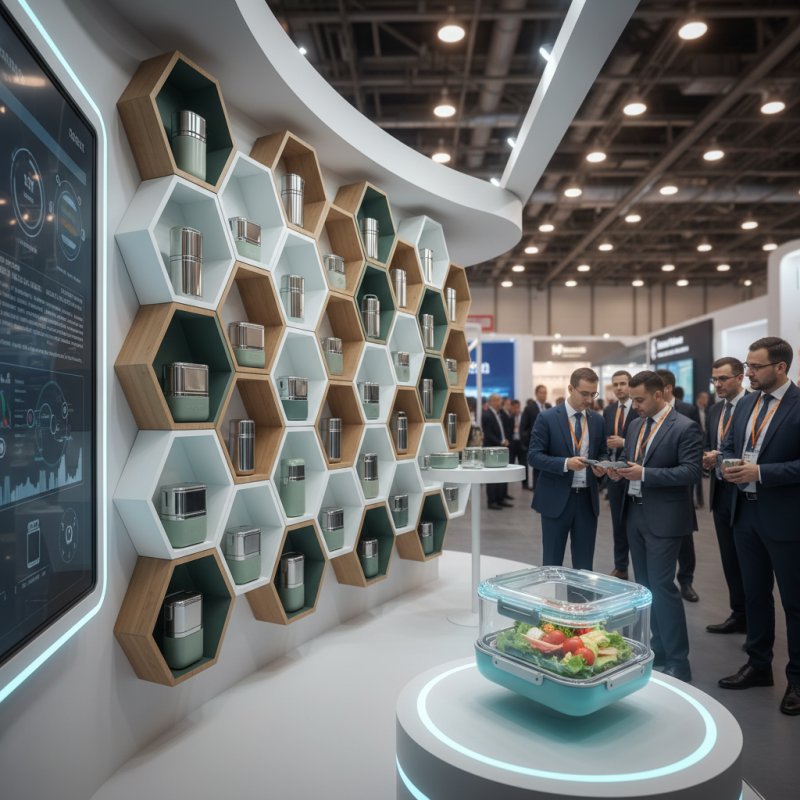
2026 Trends in Insulated Lunch Box Designs for Modern Consumers
As we look towards 2026, insulated lunch box designs are evolving rapidly. Modern consumers seek practicality. Sleek lines and vibrant colors are becoming popular. Materials that insulate well yet remain lightweight are in demand. Eco-friendly options are gaining traction. People are more conscious of their environmental footprint.
Functionality is key. Sections for different food types attract attention. Some designs feature detachable compartments. Others have built-in utensils for added convenience. However, not all designs meet user needs. Some are too bulky, making them hard to carry. Consumers often struggle with spills and leaks too. Finding the perfect balance between style and usability can be challenging.
Yet, creativity is flourishing in this space. Innovative patterns and textures emerge frequently. Minimalist designs appeal to many, while others prefer bold graphics. Choices abound, but it can be overwhelming. Reflecting on one’s needs is essential. Not every design will suit every lifestyle. In 2026, the focus will be on creating something unique that truly reflects the user’s personal style and daily habits.
Innovative Materials Used in Insulated Lunch Boxes at Trade Shows
At the 2026 China Import Export Fair, innovative materials are transforming the landscape of insulated lunch boxes. Trends indicate a growing preference for eco-friendly options. For instance, biodegradable materials are becoming popular. This shift aligns with market research showing that over 70% of consumers prefer sustainable products. New materials improve thermal retention, ensuring food stays fresh for longer.
Recent data from industry reports reveal that the thermal insulation performance of new composites has improved by over 30% in the last five years. This is significant. Not only do these materials reduce environmental impact, but they also enhance user experience. However, challenges remain. The production costs of advanced materials can be high, limiting accessibility.
Moreover, many manufacturers struggle with raw material sourcing. This complicates product development. Small and medium enterprises might find it difficult to adopt these innovations. There is still room for improvement. As the market evolves, the industry must focus on balancing sustainability with affordability.
Popular Features and Customization Options in Lunch Boxes
As the 2026 China Import Export Fair approaches, insulated lunch boxes are a major focus. These lunch boxes offer more than just thermal insulation. They come with various popular features and customization options. Users can choose from multiple compartments, which keep different foods separate. This prevents unwanted mixing of flavors, making lunchtime more enjoyable.
Materials play a significant role in their effectiveness. Many lunch boxes use stainless steel or BPA-free plastic. These materials ensure safety and durability. Customization options include colors and patterns. Some buyers prefer vibrant designs, while others may want sleek and professional looks. Personalization allows users to express individuality.
However, not all options will work for everyone. Some insulated lunch boxes may be too bulky for kids. Portability is crucial for school or work settings. Additionally, not all materials hold heat equally well. A lunch box that fails to maintain temperature can be disappointing. Finding the right balance between style and function requires careful consideration, but it can lead to a better lunchtime experience.
2026 Best Insulated Lunch Box Trends at China Import Export Fair
| Feature | Description | Customization Options | Popularity Trend |
| Eco-Friendly Materials | Lunch boxes made from biodegradable and recyclable materials. | Logos, colors, and materials can be customized. | Growing interest due to environmental concerns. |
| Thermal Insulation | Advanced insulation technology for temperature retention. | Different insulation materials and colors available. | Highly popular for on-the-go meals. |
| Modular Design | Interchangeable sections for different food items. | Customizable section sizes and configurations. | Increased demand for versatility in lunch boxes. |
| Durability | Made from durable, impact-resistant materials. | Personalization of material type and colors. | Constant preference for long-lasting products. |
| Smart Features | Connected devices for tracking food freshness. | Custom app integration and tech specifications. | Increasingly popular among tech-savvy consumers. |
Sustainability Practices in Lunch Box Manufacturing and Design
As the world becomes more aware of environmental issues, sustainability practices in lunch box manufacturing are evolving. Many manufacturers are now opting for eco-friendly materials. These materials reduce waste and have a smaller carbon footprint. Reusable lunch boxes made from materials like stainless steel and bamboo are gaining popularity. They are durable and safer than single-use plastics.
However, challenges persist. Some materials can be expensive, impacting affordability. Not all consumers are willing to pay more for sustainability. Education on the benefits of sustainable lunch boxes is crucial. Without awareness, these products may not reach their full potential. Additionally, designs must balance functionality and eco-friendliness. Many products appear attractive but lack durability.
The trend is clear, yet it is not perfect. Some manufacturers might prioritize profit over sustainable practices. This approach could lead to a potential backlash from consumers. Transparency is key. Companies need to show their commitment to sustainability clearly. This effort can foster trust and drive change in the industry.
2026 Best Insulated Lunch Box Trends
Market Insights from the China Import Export Fair on Lunch Boxes
The China Import Export Fair serves as a significant platform for market trends in insulated lunch boxes. Recent data shows that the global insulated lunch box market is expected to grow by 4% annually until 2026. This growth reflects increasing consumer awareness regarding food safety and sustainability. Many new designs utilize eco-friendly materials, attracting environmentally conscious buyers.
Insights gained from the fair reveal a shift towards multifunctional designs. Consumers now prefer lunch boxes that can keep food hot or cold for extended periods. Advanced insulation technology plays a crucial role in achieving this. Reports indicate that approximately 70% of consumers prioritize durability and ease of cleaning in their choices. Notably, some exhibitors presented innovative concepts, yet not all designs meet the functionality that consumers desire. This opens up discussions about the need for continuous improvement in product design.
Customization is another emerging trend. Many companies are starting to realize the importance of personal touches in product offerings. Data suggests that almost 60% of buyers are willing to pay extra for their preferred colors or designs. Yet, not every manufacturer has adopted this approach, which raises questions about their responsiveness to market demands. The fair highlighted these gaps, pushing for deeper industry introspection on consumer preferences.